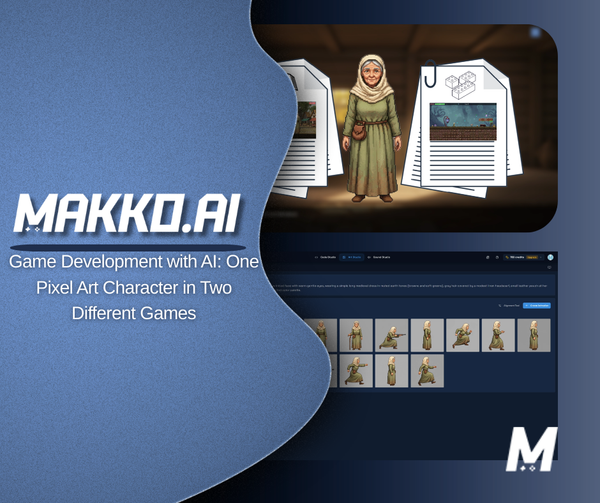
Sprite Alignment Game Development with AI: One Pixel Art Character in Two Different Games Shows how frame normalization and alignment turn generated sprites into consistent, reusable assets for gameplay systems.
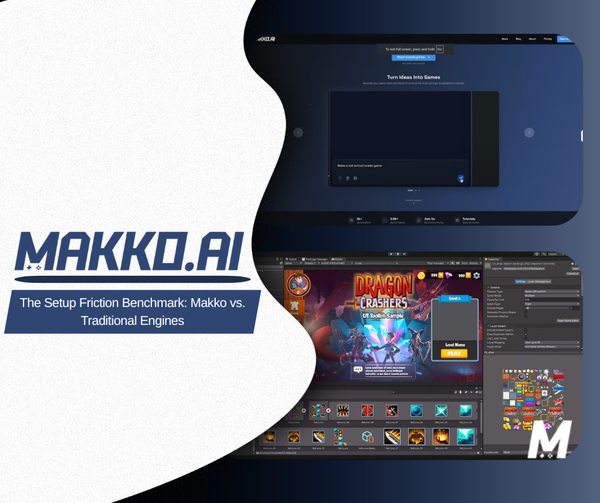
Setup Friction The Setup Friction Benchmark: Makko vs. Traditional Engines In 2026, the gap between a game that ships and one that stalls has almost nothing to do with creative talent — it comes down to
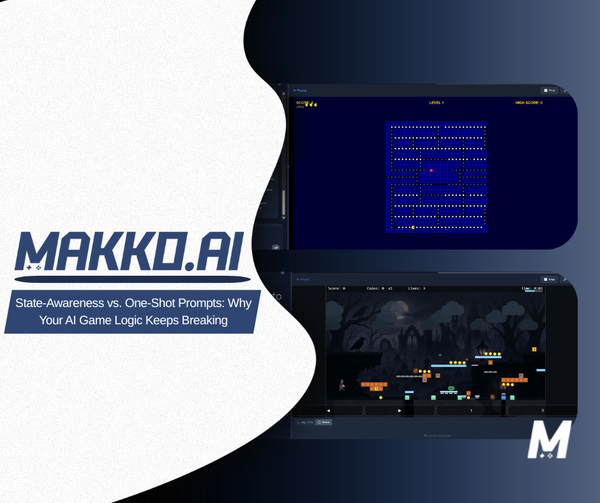
AI Game Development State-Awareness vs. One-Shot Prompts: Why Your AI Game Logic Keeps Breaking Explains why AI game logic breaks without persistent state and how state-aware workflows enable stable, iterative game development.
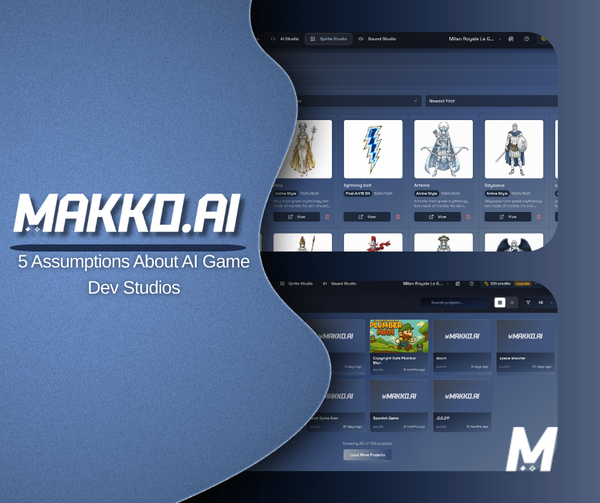
AI Game Development 5 Assumptions About AI Game Dev Studios Challenges common assumptions about AI game development studios by clarifying their capabilities and limitations.
Game Jams What Is a Game Jam? A Roadmap to Finishing Playable Games (Updated February 2026) Explains what game jams are and why constrained timelines help creators finish playable games more consistently.
C# vs Intent C# vs. Intent: Why Manual Scripting Stalls Indie Progress Explains how manual scripting slows early development and why intent-driven workflows reduce setup friction.
Agentic AI How Agentic AI Automates Game Development: A Roadmap for Task Orchestration Outlines how agentic AI automates game development tasks through planning, orchestration, and persistent context.
Plan Mode Plan Mode vs. Fast Mode: Calibrating AI Reasoning for Game Development Compares Plan Mode and Fast Mode to show how different AI reasoning approaches affect reliability and iteration.
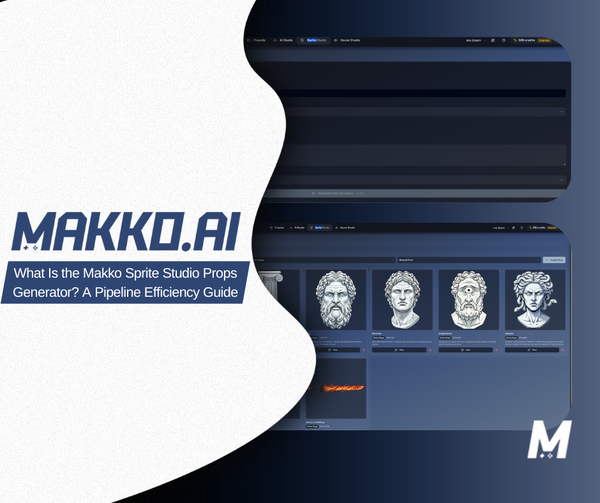
Prop Generator What Is the Makko Sprite Studio Props Generator? A Pipeline Efficiency Guide Explains how the Sprite Studio props generator supports consistent, reusable environments in a 2D asset pipeline.
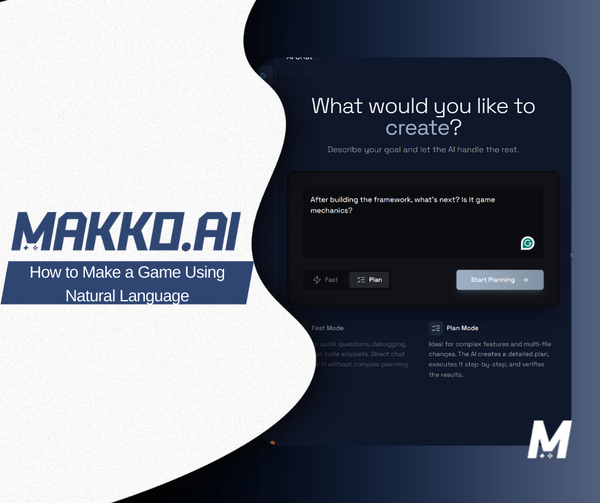
Natural Language Game Development How Do You Make a Game Using Natural Language? Explains how natural language is translated into game systems, logic, and assets through intent-driven AI workflows.