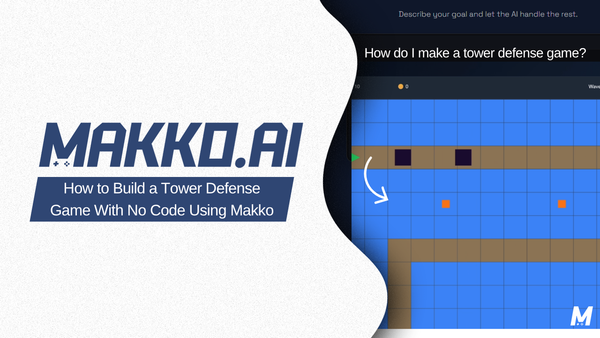
AI 2D Game Maker How to Build a Tower Defense Game With No Code Using Makko AI Map editor, waves, towers, currency, win condition. A full tower defense prototype built by describing what you want. No coding required.
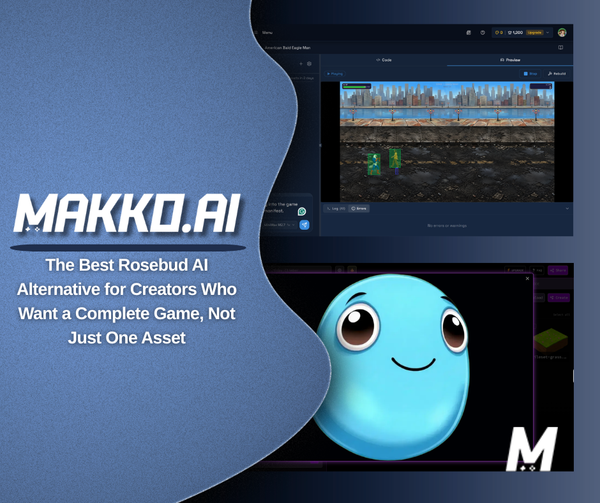
AI 2D Game Maker The Best Rosebud AI Alternative for Creators Who Want a Complete Game, Not Just One Asset Rosebud generates one asset at a time with no style memory. Makko keeps every character, background, and object consistent across your entire game automatically -- no re-prompting required.
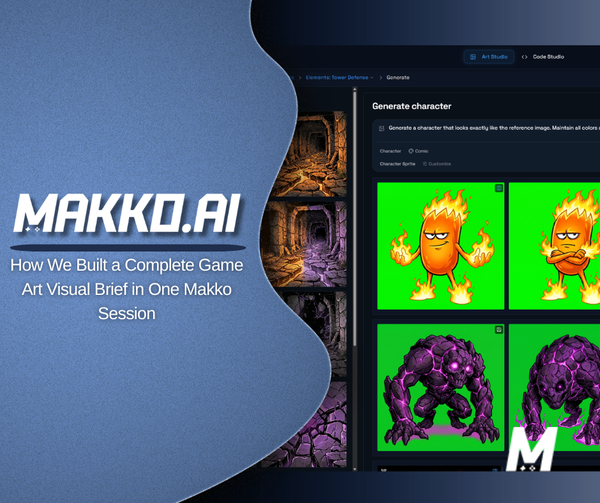
AI Game Art Generator How We Built a Complete Game Art Visual Brief in One Makko Session Build a complete game art visual brief in one Makko session. World atmosphere, color palette, faction materials, and your first enemy character.
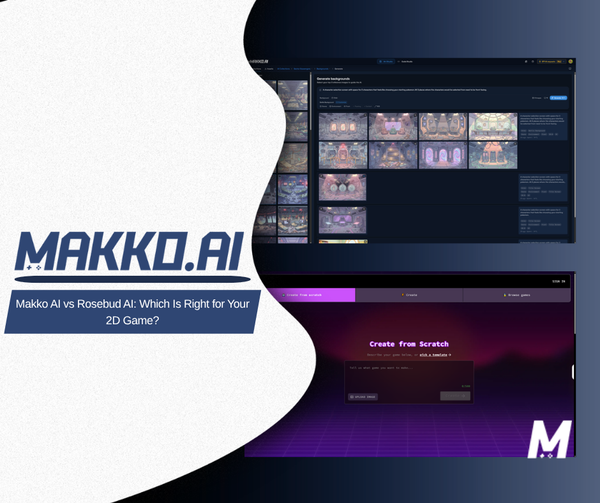
AI 2D Game Maker Makko AI vs Rosebud AI: Which Is Right for Your 2D Game? Makko AI and Rosebud AI compared. See which AI game maker wins for 2D art, consistency, no-code game building, and free tier value.
AI Game Art Generator I Turned My Notebook Sketch Into a Game-Ready Character Using an AI Character Creator Turn a sketch into a game character with Makko's AI character creator. No art skills needed. Upload, describe, iterate, animate. Start free.
AI 2D Game Maker Makko AI Is Live: Make 2D Games With AI, No Drawing, No Coding Makko AI launches publicly today. Create characters, backgrounds, animations, and playable 2D games by describing what you want. Free to start.
Indie Game Development Why Solo Devs Don't Finish Their Games (And How to Fix the Art Problem) Most solo devs quit because they can't draw. Makko Art Studio removes that barrier. Build animated game characters from a text description.
AI Game Art Generator AI Game Art Generator: Concept Art, Characters, and Consistent 2D Game Art From One Tool Most AI game art generators solve one piece of the puzzle. This is how a full-pipeline generator handles concept art, characters, backgrounds, and animations — and why consistency across your whole game is the problem worth solving first.
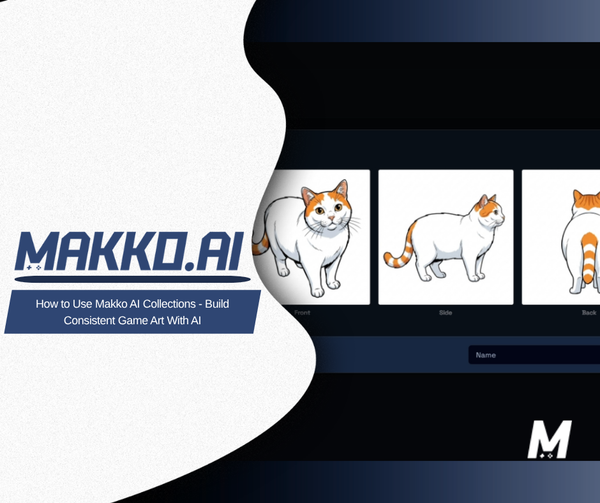
AI Game Art Generator How to Use Makko AI Collections - Build Consistent Game Art With AI Most people who use AI to generate game art are making the same mistake: and it has nothing to do with their prompts. They treat
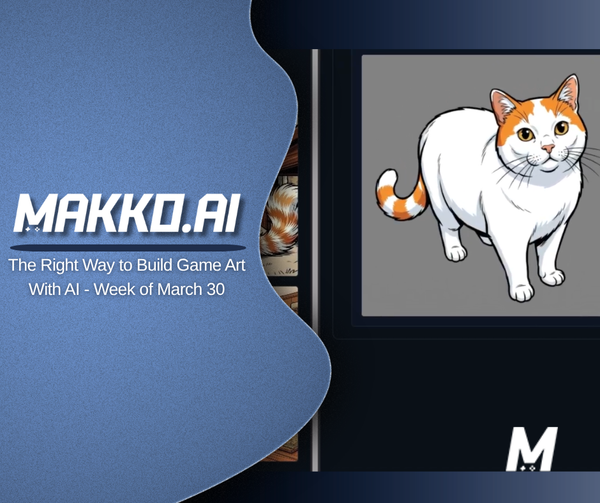
Pixel Art The Right Way to Build Game Art With AI - Week of March 30 This week started with the invisible box that breaks your pixel art character and ended with the system that makes your whole game look like
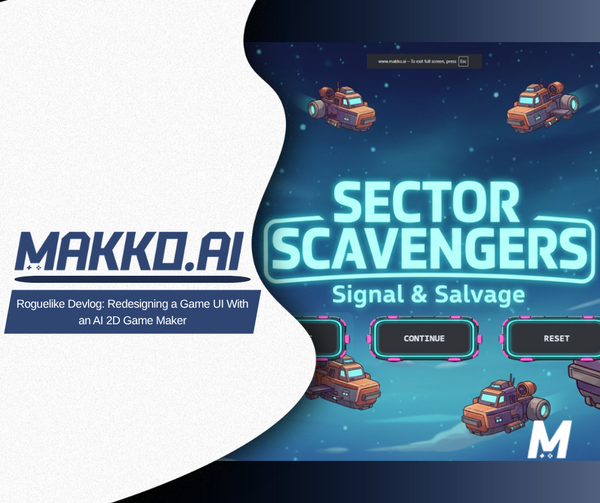
Roguelike Roguelike Devlog: Redesigning a Game UI With an AI 2D Game Maker How rapid prototyping with an AI 2D game maker fixed an overloaded roguelike command deck: a Sector Scavengers devlog.
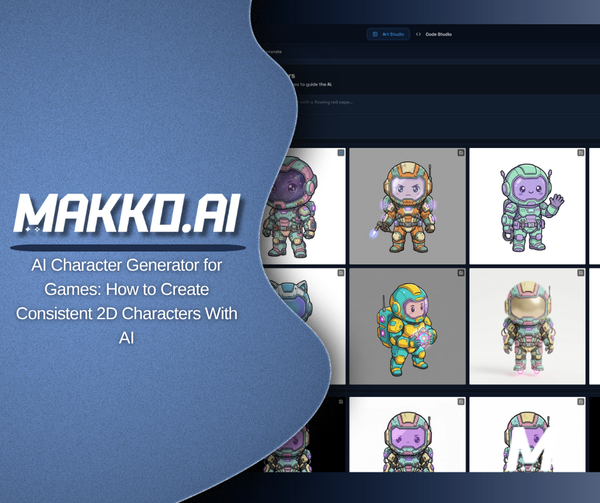
AI Game Art Generator AI Character Generator for Games: How to Create Consistent 2D Characters With AI Most AI image tools generate one character at a time with no guarantee the next one matches. This guide covers how an AI character generator built for games solves the consistency problem — from concept art through animation to a playable build.